

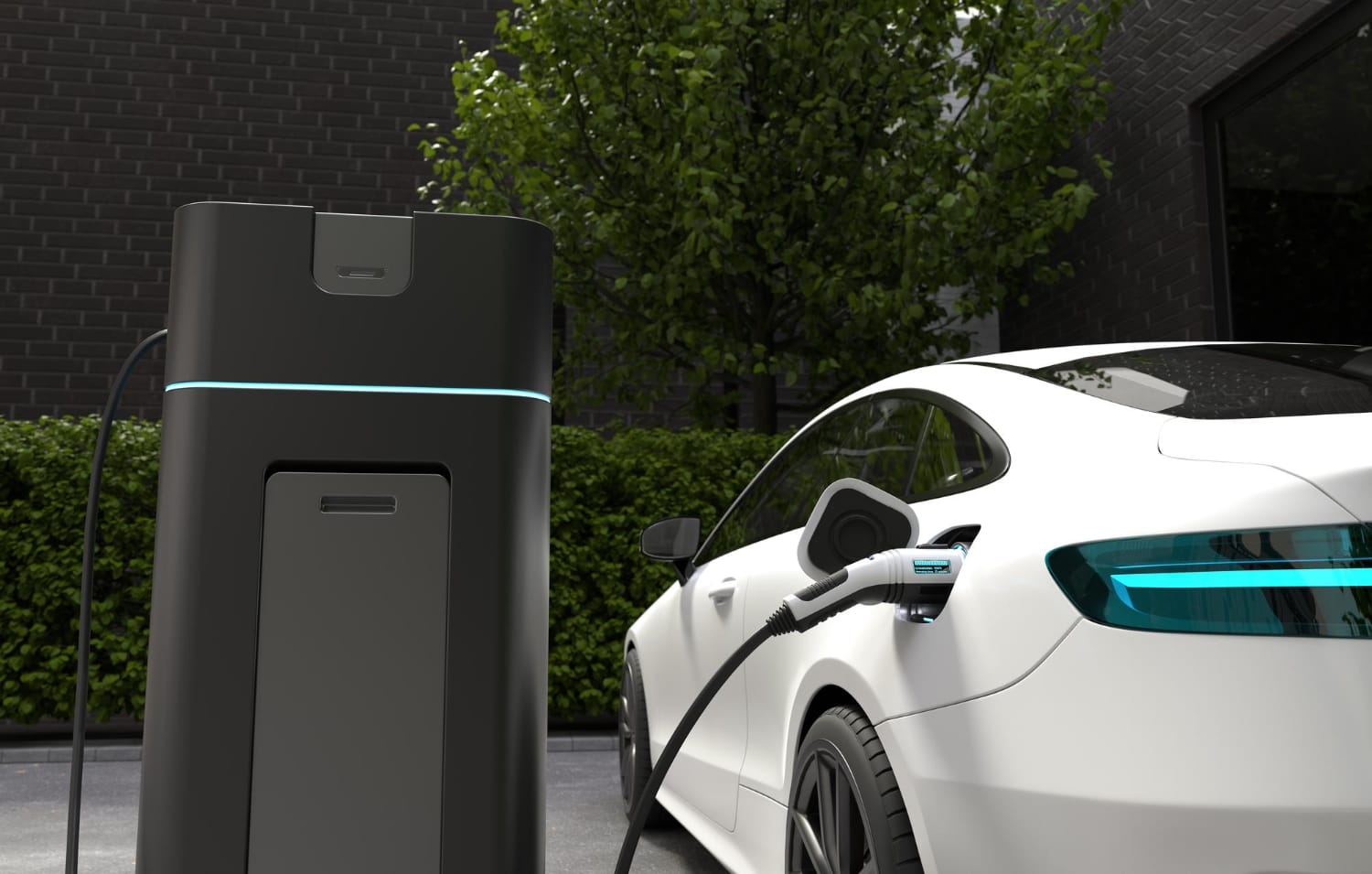
Key Takeaways
- Electric vehicle production combines advanced battery technology, sustainable manufacturing processes, and efficient supply chains to reduce emissions across the vehicle lifecycle.
- The shift from internal combustion engines to electric powertrains represents a fundamental change in how vehicles are designed, manufactured, and operated.
- Strategic industrial locations with robust infrastructure and environmental compliance frameworks accelerate EV production capacity while supporting global sustainability targets.
Electric vehicle production stands at the intersection of environmental necessity and technological innovation. As global carbon emissions from transportation continue to rise, the shift toward electric vehicles represents one of the most significant industrial transformations of our time. Understanding how electric vehicles are produced, the environmental implications of manufacturing processes, and the economic forces driving this transition provides essential insight into the future of sustainable mobility.
The production of electric vehicles involves far more than assembling components. It requires rethinking manufacturing from raw material extraction through factory operations, supply chain management, and end-of-life recycling. Companies investing in EV production must navigate complex engineering challenges, sourcing decisions, and operational scales that differ fundamentally from traditional automotive manufacturing.
Introduction: Paving the Path to Sustainability
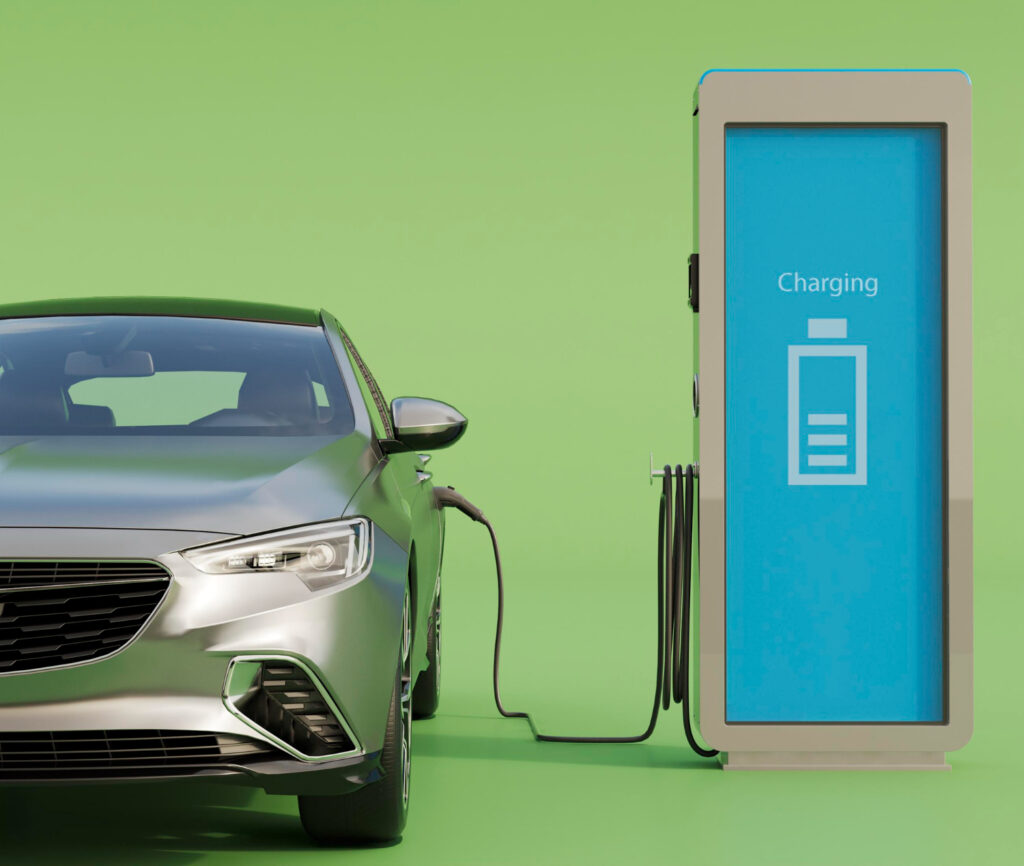
Electric vehicles represent a critical response to the environmental pressures facing modern transportation. Unlike conventional gasoline-powered vehicles, EVs eliminate tailpipe emissions entirely, operating cleanly when powered by electricity from renewable sources. This fundamental difference transforms not only what drives vehicles, but how societies approach energy consumption, urban planning, and industrial infrastructure.
Key advantages of electric vehicles include:
- Zero tailpipe emissions during operation
- Superior energy conversion efficiency compared to combustion engines
- Reduced maintenance requirements and lower lifetime operating costs
- Integration potential with renewable energy systems
The battery stores electrical energy, the motor converts that energy into mechanical motion, and onboard controllers regulate power distribution to optimize efficiency and performance.
1. Understanding Electric Vehicle Technology
An electric vehicle operates through an integrated system of rechargeable battery packs, electric motors, and sophisticated power management systems. This architecture differs fundamentally from internal combustion engines, requiring entirely different manufacturing approaches, supply chains, and service networks.
When powered by electricity, EVs produce zero tailpipe emissions, eliminating the particulate matter, nitrogen oxides, and volatile organic compounds that conventional vehicles release into urban air. This shift proves particularly significant in densely populated areas where vehicle emissions contribute substantially to poor air quality and associated health effects. The environmental advantage of EVs grows stronger as electricity grids incorporate more renewable energy sources, progressively reducing the carbon intensity of vehicle operation throughout their lifespan.
2. The Role of Electric Vehicles in Achieving Sustainability
Electric vehicles form a critical link between renewable energy infrastructure and transportation systems. As solar and wind capacity expands, EVs provide flexible load management through smart charging systems that draw power during periods of renewable generation surplus. This integration enables more efficient use of renewable resources and reduces reliance on fossil fuel-based electricity generation.
Governments worldwide have committed to emissions reduction targets aligned with international climate agreements. Electric vehicles contribute directly to these objectives by displacing petroleum-powered vehicles and reducing cumulative greenhouse gas emissions.
Cities implementing air quality improvement initiatives increasingly recognize EV adoption as essential to meeting pollution reduction targets. This is particularly important in regions where transportation accounts for a significant share of total emissions and protecting public health remains a priority.
History and Evolution of Electric Vehicles
The development of electric vehicles spans more than a century, marked by cycles of innovation, decline, and resurgence. Understanding this history reveals how technological breakthroughs, market conditions, and environmental awareness have shaped the modern EV industry.
1. The Early Beginnings of Electric Vehicles
The first practical electric carriages appeared in the 1830s, and by the early 1900s, electric vehicles constituted a significant share of automobiles produced in major industrial cities. These early EVs appealed to affluent consumers seeking quiet, smoke-free transportation without the vibration and maintenance demands of gasoline engines. Electric vehicles dominated urban transportation in New York, Boston, and other major cities, with charging stations appearing throughout downtown business districts.
The introduction of Henry Ford's Model T and mass production techniques fundamentally altered the automotive industry. Gasoline vehicles became cheaper to manufacture and purchase, offered greater range and refueling convenience, and benefited from rapidly expanding petroleum infrastructure. By the 1920s, electric vehicles had largely disappeared from markets, displaced by cheaper and more versatile internal combustion alternatives.
2. Technological Advancements and Market Resurgence
The 1990s witnessed renewed interest in electric vehicles driven by environmental regulation and resource scarcity concerns. Toyota's introduction of the Prius hybrid vehicle in 1997 demonstrated market viability for electric-powered transportation, combining gasoline engines with electric motors to achieve unprecedented fuel efficiency. This success validated consumer demand for lower-emission vehicles and encouraged manufacturers to invest in electric powertrain development.
Tesla's launch of the Roadster in 2008 fundamentally changed market perception of electric vehicles, demonstrating that EVs could deliver high performance, long range, and consumer appeal simultaneously. This breakthrough catalyzed massive investment across the automotive industry, spurring development of competing models from traditional manufacturers and emerging EV specialists.
Advances in lithium-ion battery technology have improved energy density, charging speed, and longevity substantially. Manufacturing efficiency has also progressed, and charging infrastructure has expanded rapidly. These developments created conditions for EV adoption to accelerate from niche market to mainstream transportation, with production capacity expanding exponentially in the 2010s and 2020s.
The Production Process of Electric Vehicles From Concept to Car

Electric vehicle production requires fundamentally different manufacturing approaches compared to conventional automotive assembly. The integration of advanced battery systems, electric powertrains, and sophisticated control electronics demands specialized facilities, supply chains, and quality assurance processes.
1. Design and Development
The design phase for electric vehicles emphasizes aerodynamic efficiency, weight optimization, and thermal management in ways that conventional vehicle design does not require. Engineers must optimize battery placement to achieve proper weight distribution and center of gravity while designing cooling systems for battery packs that operate within strict temperature ranges. Integrating electric motors and power electronics into vehicle architectures represents another critical challenge.
Advanced simulation and modeling technologies allow manufacturers to optimize vehicle efficiency before committing to physical prototypes. Computational fluid dynamics analysis minimizes aerodynamic drag. Finite element modeling identifies optimal structural designs that balance weight and crashworthiness. Battery thermal models ensure safe operation across diverse climate conditions. This digital-first approach reduces physical prototype development cycles and accelerates time-to-market.
2. Choosing Eco-Friendly Materials and Technologies
Sustainable material selection reflects the environmental commitment underlying electric vehicle production. Manufacturers increasingly specify recycled aluminum for body panels and frame components, reducing the energy intensity of vehicle construction. Bio-based interior materials including plant-derived plastics and natural fiber composites replace conventional petroleum-based synthetics, lowering the carbon footprint of interior components.
Battery technology advancement represents the most critical element of EV production sustainability. Lithium-ion chemistry continues to improve in energy density, charging speed, and longevity, with commercial cells now achieving 300+ watt-hours per kilogram and supporting 200,000+ mile lifespans. Manufacturers are exploring solid-state battery designs that promise further improvements in safety, charging speed, and energy density. Battery recycling processes ensure that end-of-life packs enter circular economy streams, recovering valuable materials and reducing dependence on primary mining operations.
3. Challenges in Manufacturing
Electric vehicle manufacturing operates at higher complexity and capital intensity than conventional production lines. Battery pack assembly requires specialized equipment, quality control procedures, and safety protocols significantly more rigorous than traditional automotive assembly. Supply chain constraints for raw materials including lithium, cobalt, and nickel create sourcing risks and cost volatility.
Scaling production capacity presents operational challenges that established manufacturers and emerging EV specialists must address simultaneously. New manufacturing facilities require years of capital investment and operational development before reaching full efficiency. Workforce training demands expertise in advanced electronics and thermal management systems that conventional automotive workers may not possess. Supply chain coordination across multiple specialized component suppliers adds complexity compared to more integrated traditional vehicle production ecosystems.
Environmental and Economic Impact of Electric Vehicles
As electric vehicle production scales globally, understanding the full lifecycle environmental and economic implications becomes essential for stakeholders evaluating industry sustainability and investment potential.
1. Reducing Carbon Emissions and Environmental Footprint
Electric vehicles produce zero tailpipe emissions during operation, eliminating pollution sources that concentrate in urban areas. An EV powered by electricity from renewable sources can operate with near-zero carbon emissions throughout its useful life, contrasting sharply with conventional vehicles that emit CO₂ continuously from fuel combustion.
The full environmental assessment includes production phase impacts, particularly battery manufacturing which consumes significant energy. Lifecycle analyses demonstrate that even when accounting for manufacturing emissions, an EV powered by current grid electricity produces substantially lower cumulative emissions compared to gasoline vehicles over comparable operational lifespans. This advantage increases in regions with cleaner electricity generation portfolios.
2. Energy Efficiency and Operational Cost Reduction
Electric motors convert approximately 77 percent of electrical grid energy into mechanical motion at the wheels, compared to significantly lower efficiency for internal combustion engines. This fundamental efficiency advantage translates directly into lower per-mile energy consumption and reduced operating costs. Electricity costs per mile typically run substantially lower than equivalent gasoline fuel costs.
Maintenance cost reductions compound these operational savings. Electric vehicles lack oil changes, transmission fluid service, spark plugs, and timing belt replacements that characterize conventional vehicle maintenance. Regenerative braking systems reduce brake wear, further lowering maintenance expenses. Fleet operators and high-mileage drivers particularly benefit from these simplified powertrains and reduced service requirements, improving total cost of ownership.
3. Contribution to the Green Economy
Global electric vehicle production and deployment creates substantial economic activity across manufacturing, infrastructure development, and supporting services. Employment in battery manufacturing, electric motor production, and specialized component supply has expanded rapidly, with new facilities opening across multiple regions. Charging infrastructure development generates construction employment and creates ongoing service and maintenance opportunities.
Investment in EV infrastructure, including charging networks, grid modernization, and battery recycling facilities, stimulates economic growth while supporting climate objectives. Governments implementing EV adoption incentives and infrastructure investment programs recognize transportation electrification as both an environmental necessity and an economic opportunity, with multiplier effects extending through manufacturing, energy, and service sectors.
The Future of Electric Vehicles and Conclusion
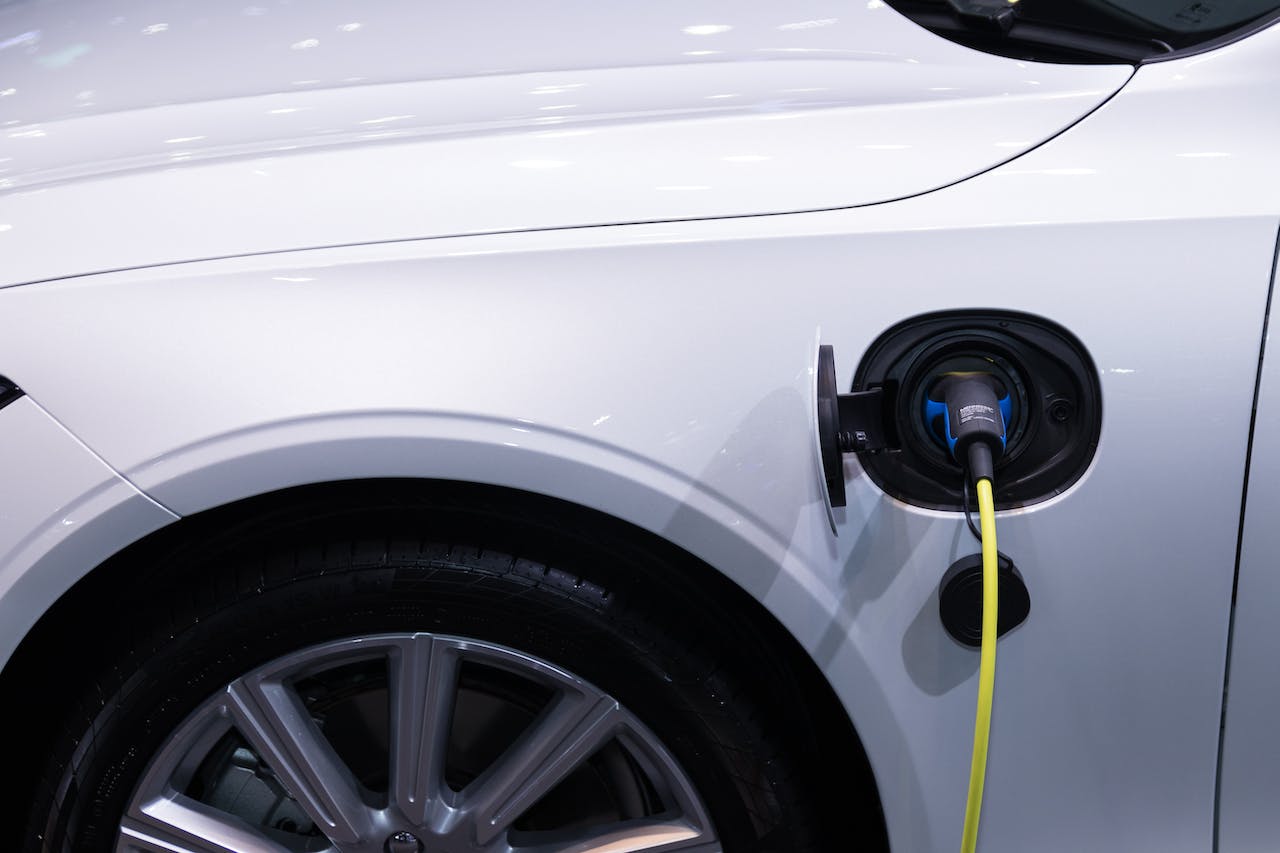
The trajectory of electric vehicle production points toward increasing market dominance, technological advancement, and integration with renewable energy systems. Emerging battery chemistries promise charging times measured in minutes, driving ranges exceeding 500 miles, and manufacturing costs approaching cost-parity with conventional vehicles. Solid-state battery designs under development may deliver significant improvements in energy density, safety, and environmental performance.
Autonomous driving technology convergence with electric vehicles will likely reshape transportation fundamentally, enabling shared mobility services that reduce total vehicle requirements. Commercial vehicle electrification, including trucks, buses, and delivery vehicles, will extend EV environmental benefits across freight and passenger transportation networks. Manufacturing will continue concentrating in regions offering optimal combinations of infrastructure, skilled labor, and proximity to major markets.
The road to sustainability through electric vehicle production requires sustained commitment from manufacturers, governments, consumers, and supporting industries. Meeting mid-century emissions reduction targets depends fundamentally on transportation electrification at global scale. The investments, innovations, and structural changes underway in electric vehicle production represent not merely industrial transformation, but essential progress toward environmental and economic resilience.
Read also: How Manufacturing Resource Planning Improves Production Efficiency
Secure Your Manufacturing Future at Subang Smartpolitan
Discover how advanced industrial infrastructure supports electric vehicle production and green technology innovation at Subang Smartpolitan, Indonesia's premier destination for forward-thinking manufacturing operations. Located strategically in West Java, Subang Smartpolitan provides integrated industrial land with world-class utilities, high-speed fiber optic connectivity, and comprehensive investment support specifically designed for companies driving the global transition toward sustainable transportation.
The facility combines reliable high-capacity electricity systems, advanced water treatment, and IoT-enabled smart infrastructure that enables manufacturers to optimize production efficiency while minimizing environmental impact. Our dedicated investment assistance team coordinates permitting, construction, and operational setup, accelerating time from site selection to full production capacity. The integrated township environment connects industrial operations with commercial services, residential facilities, and educational institutions that support workforce development and operational continuity.
Whether you are establishing new production capacity for electric vehicle components or battery assembly, Subang Smartpolitan provides the strategic location, infrastructure reliability, and operational support necessary to compete in the global EV industry. Secure your industrial plot or commercial space and connect with our team to discuss how Subang Smartpolitan can support your manufacturing excellence. Contact us to explore available land parcels and discover why leading manufacturers choose Subang Smartpolitan for sustainable, high-performance operations.
FAQ
1. What are the primary differences between electric and conventional vehicle manufacturing?
Electric vehicles require specialized facilities for battery pack assembly, thermal management systems, and high-voltage electrical integration that conventional automotive plants do not need. Supply chains differ substantially, with EV manufacturers dependent on specialized battery suppliers, electric motor manufacturers, and power electronics producers. Quality assurance procedures for battery safety and electrical systems are significantly more rigorous than conventional automotive processes.
2. How does battery production impact the overall environmental footprint of electric vehicles?
Battery manufacturing consumes substantial energy and involves mining for lithium, cobalt, and other materials with environmental consequences. However, lifecycle analyses demonstrate that despite manufacturing emissions, EVs produce lower cumulative emissions compared to gasoline vehicles over their operational life when powered by average grid electricity, with advantages increasing in regions with cleaner generation portfolios.
3. What are the major challenges manufacturers face in scaling electric vehicle production?
Supply chain constraints for raw battery materials create cost volatility and sourcing uncertainty. Workforce training requirements for advanced electronics and thermal systems exceed conventional automotive capabilities. Capital intensity of new manufacturing facilities requires years of development before reaching optimal efficiency. Establishing reliable component supply networks across multiple specialized suppliers adds coordination complexity.
4. How do recycling processes support electric vehicle sustainability?
Battery recycling programs recover valuable materials including lithium, cobalt, and nickel, reducing dependence on primary mining operations. Recovered materials re-enter battery manufacturing supply chains, lowering raw material costs and environmental impact of new battery production. Aluminum from vehicle bodies enters established recycling streams, requiring only a fraction of the energy needed for virgin aluminum smelting.
5. What role do industrial estates play in supporting electric vehicle production capacity?
Modern industrial estates provide integrated infrastructure including reliable high-capacity utilities, fiber optic connectivity, and environmental compliance systems that standalone facilities cannot efficiently replicate. Proximity to ports and transportation networks reduces logistics costs and supply chain complexity. Dedicated investment assistance accelerates permitting and construction timelines, allowing manufacturers to reach production readiness faster than conventional industrial locations.
Reference
- frontiersin.org. (2023). Frontiers | Paving the way to net-zero: identifying environmental sustainability factors for business model innovation through carbon disclosure project data. http://www.frontiersin.org/journals/sustainable-food-systems/articles/10.3389/fsufs.2023.1214490/full
- link.springer.com. (2025). Paving the path to sustainable infrastructure: a bibliometric analysis of soil stabilization using sustainable materials | Discover Sustainability | Springer Nature Link. http://link.springer.com/article/10.1007/s43621-025-01540-y
- csiro.au. (2024). Navigating a path to sustainability – CSIRO. http://www.csiro.au/en/news/All/Articles/2023/March/Navigating-a-path-to-sustainability
- ourworldindata.org. (2024). Tracking global data on electric vehicles | Our World in Data. http://ourworldindata.org/electric-car-sales
- virta.global. (2024). The Global Electric Vehicle Market In 2025. http://www.virta.global/global-electric-vehicle-market